Online Therapy for Women with Vulvodynia, Vestibulodynia and Vaginismus in New York
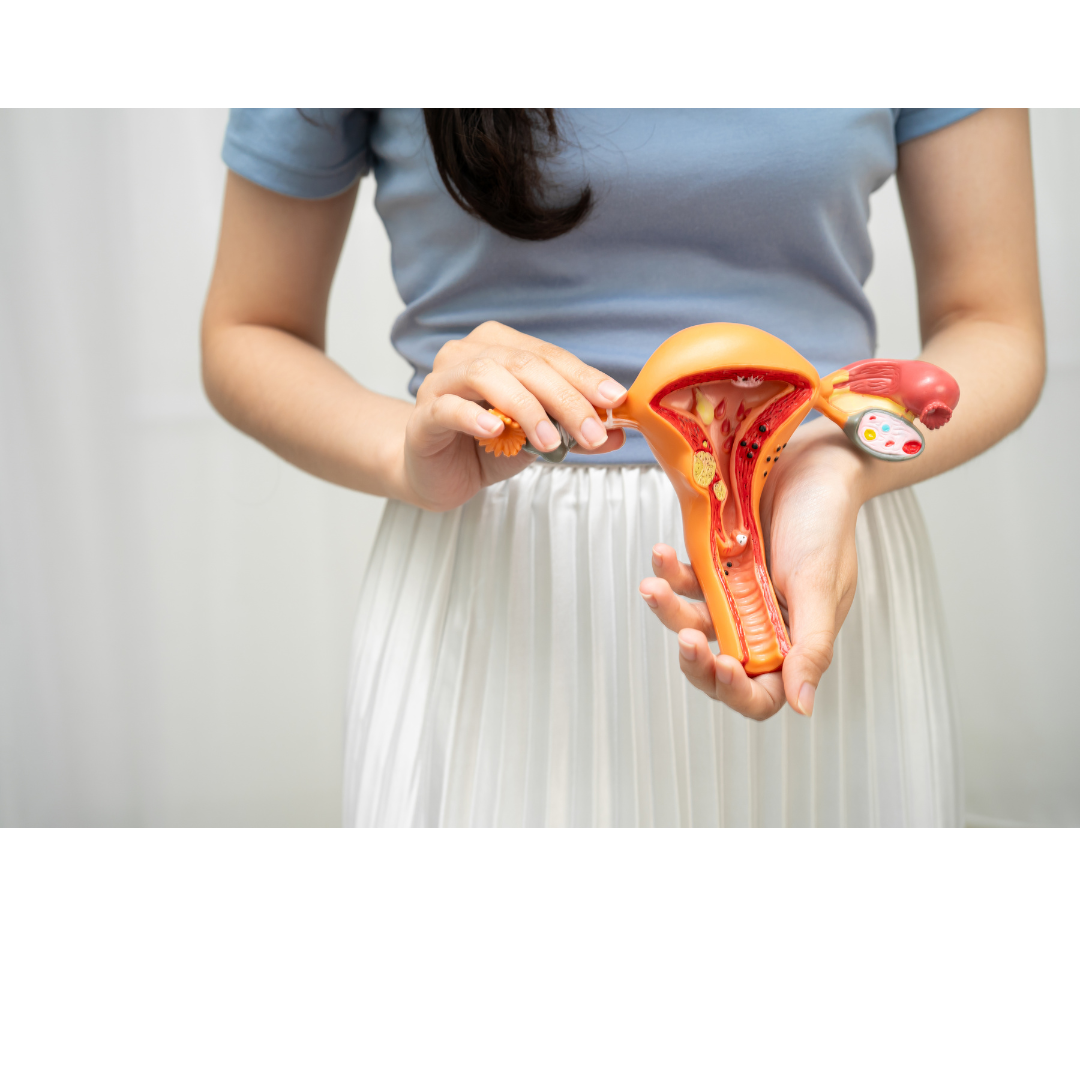
Chronic pelvic pain affects both body and mind — it keeps the nervous system on high alert and can make emotions feel tied to pain. At New York Women’s CBT, we want to be clear: your pain is real, and it isn’t “all in your head.” We believe in the vital role of pelvic floor physical therapists, surgeons, and pain management specialists, and believe that stability is possible when you have a caring team behind you.
Using third-wave CBT tools doesn’t mean the pain is psychosomatic. Instead, these approaches are one important piece of care that can help calm and down-regulate the nervous system, create distance between emotions and pain flares, and ideally reduce the overall intensity of pain. Our work combines CBT, DBT, and ACT techniques to support a mind–body approach — including thought reframing, grounding, and mindfulness — so you have practical ways to feel steadier and more in control.
Vulvodynia is persistent or recurring pain or burning in the vulva without an identifiable cause; vestibulodynia is pain localized to the vestibule (the area around the vaginal opening), often triggered by touch, intercourse, tampon use, or exams; and vaginismus is an involuntary tightening of the pelvic floor muscles that can make penetration painful or impossible. Third-wave CBT approaches—like acceptance and commitment therapy (ACT), mindfulness, and compassion-focused strategies—help by shifting the relationship to pain and anxiety rather than promising to eliminate symptoms overnight. These therapies teach skills to notice and tolerate uncomfortable sensations, reduce catastrophic thinking, retrain the nervous system and pelvic floor through graded exposure and gentle interoceptive work, and foster values-directed living so women can reconnect with intimacy, self-care, and meaningful activities despite ongoing symptoms.
CBT Helps Rewire the Pain-Thought Loop and Create More Helpful Thought Patterns
Cognitive Behavioral Therapy (CBT) can be a helpful support for women with chronic pelvic pain because it interrupts the automatic loop of fear, worry, and muscle tension that often makes pain worse. Instead of treating pain as an unchangeable threat, CBT helps you notice the thoughts and reactions that amplify discomfort and slowly replace them with more balanced or useful ways of thinking. Over time, this builds new mental habits that reduce helplessness, calm the nervous system, and create moments of relief. CBT doesn’t deny your pain — it gives practical tools and emotional steadiness so you feel more in control, better understood, and more supported on your healing path.
DBT Helps Soothe the Nervous System and Create Flexible Thought Patterns
Dialectical Behavior Therapy (DBT) gives women with chronic pelvic pain gentle, practical tools to handle the strong emotions that often come with ongoing discomfort. Skills like mindfulness, distress tolerance, and flexible thinking help loosen rigid thought patterns so pain is less likely to trigger spirals of fear or overwhelm. Instead of getting stuck in “all-or-nothing” thinking, DBT encourages curious, nonjudgmental noticing of what’s happening, reduces self-blame, and builds confidence in your ability to cope. By developing the “wise mind,” which blends feelings and facts, you learn to balance emotion with reason. With regular practice, these skills strengthen emotional resilience and help you meet difficult moments with steadiness, self-compassion, and a greater sense of control and inner safety.
ACT Helps Make Space for Radical Acceptance of the Reality and Live in Alignment with Your Values
Acceptance and Commitment Therapy (ACT) can gently support women with chronic pelvic pain in finding more ease and self-trust. Instead of battling or blaming the pain, ACT invites a kinder kind of acceptance—recognizing what you’re feeling without letting it become who you are. Using mindfulness and exploring your values, ACT helps you reconnect with what matters most—whether that’s close relationships, creativity, moving your body, or resting well. When you start making choices guided by those values instead of by pain or fear, life often feels more deliberate, balanced, and open. ACT isn’t about forcing yourself to like the pain; it’s about giving you practical, compassionate tools to build a meaningful life alongside it, step by step.
Why Third Wave CBT is a Helpful Part of the Puzzle with your Medical Team

Third Wave CBT is one helpful piece when you're managing chronic pelvic pain. Because this pain affects both body and mind, a multidisciplinary care team often works best. We routinely coordinate with your medical providers to reduce the mental load of communication and help you move toward your goals. Your team might include pelvic floor physical therapists, endometriosis excision surgeons, osteopathic manual therapists, pain management specialists, acupuncturists, lymphatic massage therapists, and others.
What types of chronic pelvic pain does New York Women’s CBT commonly work with?
Pelvic Floor Dysfunction
Pelvic floor dysfunction happens when the muscles and tissues that support your bladder, uterus, rectum, and other pelvic organs aren’t working as they should. That can lead to symptoms like pelvic pain, a sudden need to pee or going more often, trouble starting or stopping urine, painful sex, constipation, or a feeling of pressure or heaviness in the pelvis. It can come from things like childbirth, surgery, chronic straining, injury, nerve irritation, hormonal shifts, or conditions such as endometriosis and Ehlers‑Danlos syndrome. Treatment usually works best when it combines pelvic‑floor focused physical therapy, pain management, practical CBT‑based strategies, and coordinated care with pelvic health specialists.
Pudendal Neuralgia
Pudendal neuralgia is long-lasting pain from irritation, pressure, or injury to the pudendal nerve, which carries feeling from the genitals, perineum, and anus. People often describe it as burning, sharp, electric, or stabbing pain that can get worse when sitting and feel better when standing or lying down. It may also come with numbness, trouble with sex, changes in bladder or bowel function, or increased sensitivity. Common triggers include pelvic injury, childbirth, pelvic surgery, tight or spasming pelvic floor muscles, or inflammation. Symptoms can change over time, both in how strong they are and where they’re felt.
Endometriosis
Endometriosis is a long-term condition where tissue like the uterine lining grows outside the uterus. It often causes severe pelvic pain, heavy or irregular periods, tiredness, and sometimes difficulty getting pregnant. The symptoms — and the uncertainty around diagnosis — can be emotionally draining and disruptive to daily life.
Third-wave CBT combines traditional cognitive-behavioral techniques with mindfulness, acceptance, and values-focused strategies. This approach can help you notice and reframe unhelpful thoughts about pain and who you are, practice kinder acceptance of difficult sensations, and gently reduce avoidance that keeps you from activities you care about. It also supports building consistent coping routines that reflect your personal values. Together, these tools can lessen emotional distress, improve everyday functioning, and help you reclaim a sense of control even if symptoms continue.
Adenomyosis
Adenomyosis happens when the lining of the uterus grows into the uterine muscle, which can make the uterus larger and lead to heavy, painful periods, pelvic pain, bloating, and tiredness. Because these symptoms are often long-lasting, unpredictable, and medically complicated, they frequently bring on anxiety, low mood, and a lower quality of life.
Third-wave CBT approaches—like Acceptance and Commitment Therapy (ACT), mindfulness-based methods, and Compassion-Focused techniques—can be very helpful for people with adenomyosis. They teach skills to stay present, notice and tolerate difficult sensations and emotions without getting swept away by them, and reduce catastrophic or fearful thinking about symptoms. These therapies also help you clarify what matters most to you so you can keep taking meaningful steps in daily life even when pain or uncertainty is present.
Rather than promising to eliminate symptoms, these approaches focus on improving coping and functioning. They encourage self-compassion for people facing often-misunderstood women’s health issues and offer practical tools to ease the emotional burden of chronic pelvic pain and improve overall wellbeing.
PCOS
Polycystic Ovary Syndrome (PCOS) is a common hormonal condition that can affect periods, fertility, weight, skin, and energy. It also often brings emotional strain—frustration, anxiety, low mood, or feeling disconnected from your body. Because PCOS tends to be long-term and unpredictable, many women get caught in cycles of self-criticism, worry, or pressure to “fix” their bodies.
Third-wave cognitive behavioral therapies—like Acceptance and Commitment Therapy and mindfulness-based approaches—offer gentle, practical tools to support you through these challenges. Instead of trying only to control or eliminate symptoms, these therapies help you build a kinder, more flexible relationship with your thoughts, feelings, and physical symptoms. They emphasize self-compassion, reducing stress, and living in ways that match your values, even when symptoms change.
With time and practice, third-wave CBT can help you feel more grounded and empowered in your body and support emotional wellbeing alongside medical care.
Interstitial Cystitis
Interstitial cystitis, sometimes called painful bladder syndrome, is a long-term condition that causes bladder pressure, pelvic pain, and frequent or urgent trips to the bathroom — often without an obvious infection or clear cause. Living with it can feel draining and disruptive, making sleep, work, social life, and emotional wellbeing harder to manage. Many people also feel frustrated or misunderstood.
Third-wave cognitive behavioral therapies — like Acceptance and Commitment Therapy and mindfulness-based approaches — offer gentle, compassionate support by shifting how you relate to ongoing symptoms instead of trying to constantly fight them. These approaches teach practical skills in mindfulness, emotional regulation, and self-compassion, which can lower stress and calm the nervous system, helping to reduce the intensity of bladder pain. Over time, this kind of therapy can help you feel more in control, less defined by your symptoms, and better able to live a meaningful, fulfilling life alongside medical care.
Individual Therapy for Chronic Pelvic Pain at New York Women’s CBT

Our therapists specialize in supporting women with chronic pelvic pain and are deeply committed to this work. If you want practical, effective tools to manage pain and find more stability, you’re in the right place. We use an integrative approach—drawing from CBT, DBT, and ACT—to help you think more flexibly, build distress-tolerance skills, practice radical acceptance, and live according to your values, even while coping with chronic pelvic pain.
Group Therapy for Chronic Pelvic Pain at New York Women’s CBT
New York Women’s CBT runs group therapy specifically for women living with chronic pelvic pain. Groups are led by a licensed therapist who specializes in women’s health and chronic illness. If you want a supportive space with other women who really get what you’re facing — plus practical third‑wave CBT and mindfulness tools to help you thrive — learn about our groups and book a free phone consultation.
Online Therapy for Women with Chronic Pelvic Pain in New York City
A warm, compassionate and integrative therapeutic approach is what we pride ourselves on at our practice. At our New York City office with a team of skilled therapists, we are here to provide support. Follow the steps below to get started on your journey to healing.
Learn more about our team here.
Fill out our convenient online mental health services contact form.
Start your journey to healing.
Mental Health Services Offered by New York Women’s CBT
New York Women’s CBT has compassionate, niched experts ready to help you continue to chase your dreams while living with chronic pelvic pain. We offer both individual and group therapy for women living with chronic illness and chronic pain. Gain tools using an integrative therapeutic approach, blending CBT, DBT and ACT techniques. Meet our New York City based team and check out our blogs and vlogs for more helpful information. Reach out for your free phone consultation and get support to keep achieving your dreams.