Navigating Infertility, Pregnancy Loss, and IVF with Endometriosis and Adenomyosis

Navigating infertility, pregnancy loss, and IVF while living with endometriosis or adenomyosis can feel incredibly isolating, but you are not alone.
Another negative test. Another period comes. Another month feels wasted. You’re grieving the delay of the dream of a family you are desperately trying to build. You share with your partner the disappointing news, but maybe its not hitting them the same way it hits you. You have another friend who got pregnant on the first try-you are thrilled for them and gutted for yourself. Your social media feed feels like an endless loop of birth and pregnancy announcements.
You’re wondering why your body is failing you. You feel like you aren’t doing what you are “supposed” to do. You start to feel like less of a woman. You start to blame yourself, that surely there is something you are doing-or not doing-to cause this.
Then, more doctor appointments start to get scheduled. You feel like you are reliving the medical trauma you’ve already been through with reproductive health issues like endometriosis or adenomyosis. Miscarriages or trying to conceive is another incredibly isolating experience, reminding you of the isolation you felt during your diagnosis or surgical recovery.
More invasive testing. More painful exams. More new doctors and specialists that take your time, finances and emotional energy. This feels like a heavy load, and only you and your body are experiencing the actual toll of a miscarriage or beginning IVF.
This story feels so isolating, yet it is so common for women navigating life with endometriosis and adenomyosis. If you’re reading this, know you are not alone.
Understanding Endometriosis, Adenomyosis, and Fertility
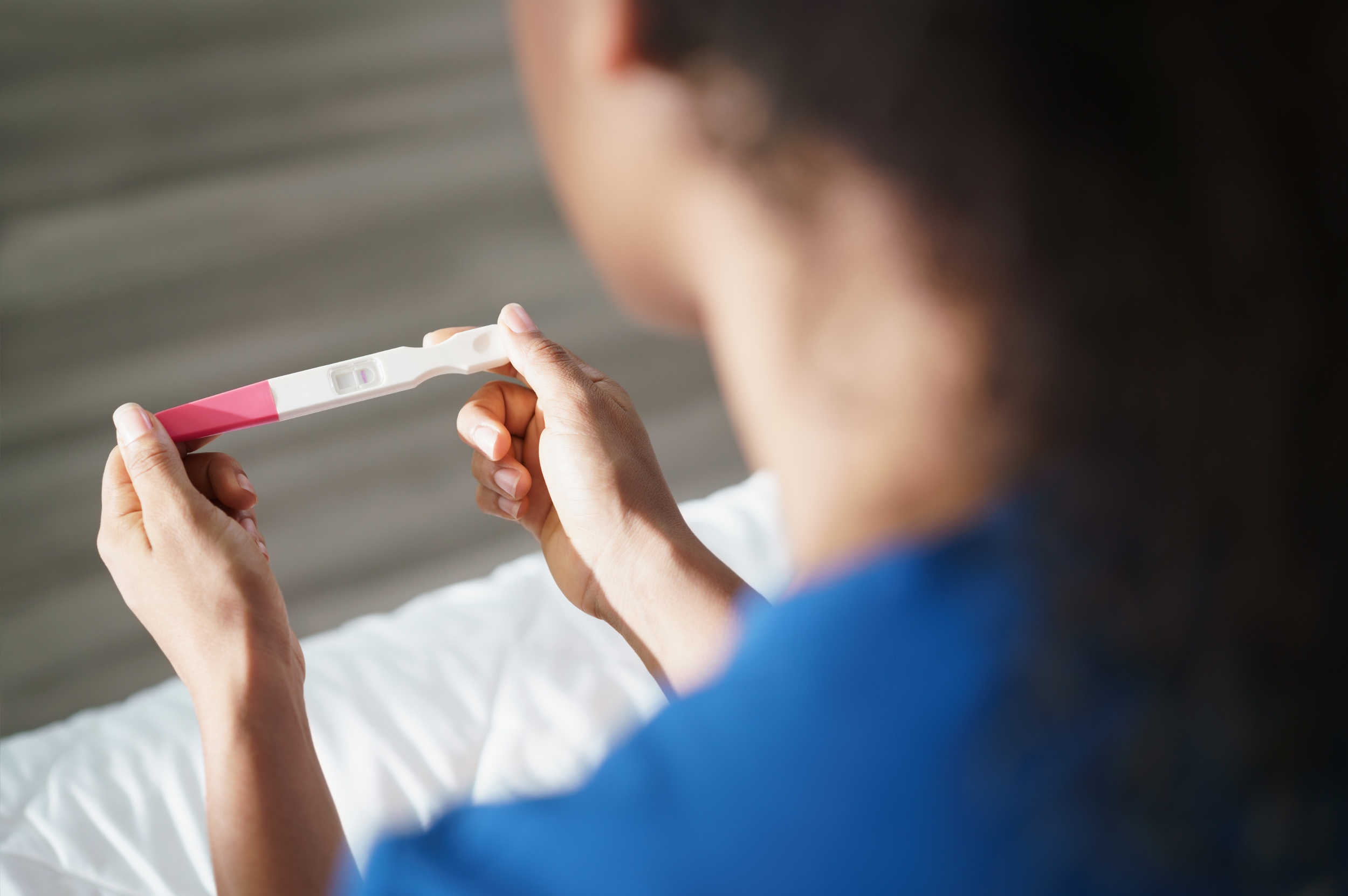
Knowledge is power when it comes to understanding your body, exploring fertility treatment options, and making informed choices
The American Society for Reproductive Medicine estimates anywhere from 30-50% of women living with endometriosis will experience infertility. Scar tissue and adhesions, inflammation, endometriomas and the disease itself can impact both organ structure, your immune system and egg quality. Endometriosis is a leading cause of infertility.
These facts feel daunting. And while the grief, emotional toll and exhaustion feel ever present in infertility, knowledge is power. The more you learn about your body, your fertility treatment options and what you need, the more informed choices you can make about a situation that you did not choose.
Adenomyosis is another reproductive health condition that can impact fertility, and many women are navigating both endometriosis and adenomyosis simultaneously. While endometriosis involves tissue similar to the uterine lining growing outside the uterus, adenomyosis occurs when tissue normally found in the uterine lining is also present within the muscular wall of the uterus. Both conditions can cause chronic pain, heavy periods and other symptoms that can make an already difficult fertility journey feel even more overwhelming.
Research suggests that adenomyosis may also affect fertility and pregnancy outcomes, although having either diagnosis does not automatically mean you will experience infertility. For women living with both conditions, the uncertainty can feel especially daunting. You're trying to understand what's happening in your body, make informed decisions about treatment and manage the emotional toll of not knowing what comes next.
Coping with Pregnancy Loss and Infertility Grief
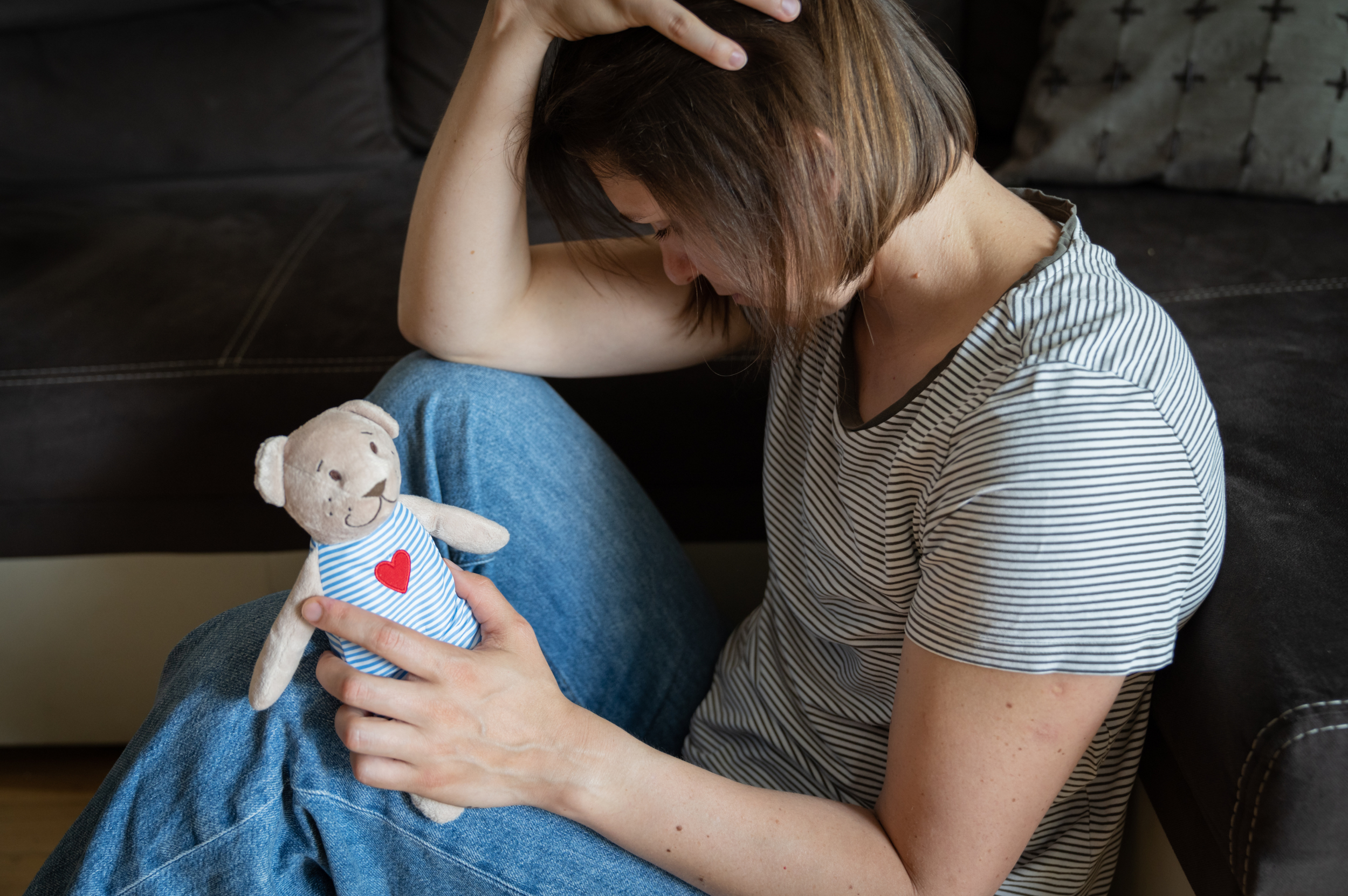
There is no right way to grieve, and there is certainly no timeline for when you should feel better
One of the most difficult parts of infertility is that the grief doesn't always come from one specific loss. Sometimes it's the grief of another negative pregnancy test, another period, another month of waiting. Sometimes it's grieving the version of motherhood you imagined for yourself or the timeline you thought your life would follow. When you've experienced a miscarriage, that grief can feel even more complicated, especially when you're already managing a chronic reproductive health condition.
You might feel angry, jealous, guilty or completely exhausted. You might find yourself avoiding baby showers, pregnancy announcements or conversations with friends who seem to be moving forward while you feel stuck. You can be genuinely happy for someone else AND deeply sad about what you're experiencing. Both things can be true at the same time.
Pregnancy loss and infertility can also feel incredibly isolating, even when you have a supportive partner, family or friends. The people around you may want to help, but they don't always know what to say. Sometimes their attempts to reassure you with statements like "just relax" or "it'll happen when it's supposed to" can leave you feeling even more misunderstood.
There is no right way to grieve, and there is certainly no timeline for when you should feel better. You don't have to judge yourself for the emotions that come up or feel pressured to move on before you're ready. The goal isn't to eliminate your grief or convince yourself that everything will work out. It's learning how to carry the uncertainty and loss while continuing to care for yourself through the process.
The Emotional Toll of IVF with Endometriosis and Adenomyosis
You can be grateful for the opportunity to pursue IVF AND feel angry, scared, or overwhelmed by the process
If you're beginning IVF or already going through fertility treatments, you may feel like your entire life revolves around appointments, medications, procedures and waiting for results. There is so much that requires your attention, and so much that feels completely outside of your control.
When you're also living with endometriosis or adenomyosis, you're managing all of this on top of a chronic medical condition. You may already be exhausted from years of painful symptoms, surgeries, medical appointments or feeling dismissed by healthcare providers. Now you're being asked to put your body through even more testing and treatment, often without knowing what the outcome will be.
The emotional toll can be just as exhausting as the physical one. You may feel pressure to stay positive, to keep trying or to be grateful that fertility treatments are even an option. But you can be grateful for the opportunity to pursue IVF AND feel angry, scared or overwhelmed by the process. You don't have to choose one feeling over the other.
This is also where previous medical trauma can resurface. Another invasive procedure or another appointment may bring up memories of painful experiences you've already endured. When you've spent years navigating a healthcare system that hasn't always listened to you or taken your pain seriously, the thought of going through more testing and treatment can feel incredibly overwhelming.
You don't have to be positive every step of the way. You don't have to pretend this isn't hard. You deserve support through the process, whatever that looks like for you.
Managing Medical Trauma While Trying to Conceive

Grounding, distress tolerance, thought reframing, and radical acceptance can help you manage the emotional toll of fertility treatments without minimizing your grief
You are already living with a systemic, inflammatory disease that impacts your fertility. You still have to manage flares, do your physical therapy and eat foods that are low inflammation on top of the mental load of managing fertility appointments.
With so much attention focused on your physical health, it's easy for the emotional toll to take a backseat. But when you're managing a medical condition that may require invasive surgeries and treatments, it's completely understandable if unwanted memories or feelings resurface while trying to conceive, experiencing a miscarriage or undergoing fertility treatments.
This is where having a trusted mental health professional who understands these complexities can be an important part of your care team. You deserve support that acknowledges not just what your body is going through, but the emotional weight of navigating it all.
Grounding and Somatic Mindfulness
Tools like grounding and somatic mindfulness exercises can help down regulate our nervous system and are helpful in preparing for stressful appointments, as well as bilateral stimulation to activate our vagus nerve. When our vagus nerve is “on”, we are able to move from “fight, flight or freeze” to a resting state.
Distress Tolerance and Healthy Distractions
We can also help create a tailored menu of healthy distractions and distress tolerance tools-these don’t mean we avoid feeling grief or processing in a healthy way. These are tools we can use when we are overwhelmed, in “fight or fight” or want to avoid getting to that hyperarousal state when you feel physically and emotionally panicked.
Thought Reframing and Cognitive Processing Therapy
Thought reframing is another helpful tool we incorporate from both DBT and a form of cognitive behavioral therapy called CPT, or Cognitive Processing Therapy. This allows us to increase our flexible thoughts without going to the extreme of toxic positivity or minimizing the real trauma and grief you’ve endured. We don’t expect unhelpful thoughts like “Building a family will never happen for me” to go to zero. We just hope the frequency happens less often and when we do notice the thoughts, we can try to think dialectically instead: “I am so anxious about being able to start my family AND I can recognize all that I am doing to make this a reality.”
Radical Acceptance
Radical acceptance is another helpful tool from DBT and Acceptance and Commitment Therapy. Now I know what you’re thinking-“How am I supposed to accept infertility and my endometriosis?”. The world defines acceptance as “getting over it” or “dealing with it”. The therapeutic world defines acceptance a bit differently: radical acceptance does not mean you like your situation, it does not mean you are giving up and it certainly doesn’t mean you need to get over your pain. Radical acceptance is acknowledging the reality of your situation and accepting where your body is, while also taking committed actions for change where you can.
Radical acceptance looks like acknowledging the pain of another period and another month of what feels like no progress, while also acknowledging the specialists you are seeing, the testing you have done, what you have learned thus far about your body and how hard you are fighting for your child already.
If you are cycling through the grief and loss of a “typical” path to becoming a mom or tired of riding the waves of your cycle through hope and disappointment alone, reach out. There are niched therapists who actually get it. You deserve support every step of the way.
Therapy for Women Navigating Infertility, Pregnancy Loss, and IVF with Endometriosis and Adenomyosis in New York
New York Women’s CBT offers niched, expert counseling for women’s health issues. We offer both individual and group therapy for chronic illness and utilize an integrative therapeutic approach to healing, including CBT, DBT and ACT tools. Our therapists offer 100% Telehealth services to remove barriers and help you get the care you need in the comfort of your home. To get started:
1. Learn more about our team.
2. Reach out for your free phone consultation.
3. Start getting the support you deserve.
Frequently Asked Questions About Infertility, Pregnancy Loss, and IVF with Endometriosis and Adenomyosis
-
Yes. Both endometriosis and adenomyosis can be associated with fertility challenges, although having either condition does not automatically mean you will experience infertility. Endometriosis can affect reproductive structures and contribute to inflammation, while adenomyosis involves tissue similar to the uterine lining growing within the muscular wall of the uterus. These conditions can affect reproductive health in different ways. If you're concerned about your fertility, a reproductive endocrinologist or fertility specialist can help you understand your individual circumstances and treatment options.
-
Research suggests that both endometriosis and adenomyosis may be associated with an increased risk of miscarriage in some populations. However, individual risk varies, and having either condition does not mean pregnancy loss is inevitable. Experiencing a miscarriage can bring up feelings of grief, guilt, and self-blame, especially when you're already navigating a reproductive health condition. It's important to remember that a miscarriage is not evidence that you've done something wrong. Your medical team can help address questions about pregnancy risks, while a mental health professional can support you through the emotional impact.
-
IVF and fertility treatments can be emotionally exhausting, particularly when you're also managing chronic pain, medical trauma, or uncertainty about the future. Grounding exercises, mindfulness, distress tolerance skills, and setting boundaries around difficult conversations can help you navigate stressful moments. Therapy can also provide a space to process grief, frustration, and anxiety without feeling pressured to remain positive throughout treatment. You don't have to feel hopeful every day to keep moving forward.
-
Therapy can provide a supportive space to process the grief, anxiety, uncertainty, and isolation that often accompany infertility and pregnancy loss. Approaches such as Cognitive Behavioral Therapy (CBT), Dialectical Behavior Therapy (DBT), and Acceptance and Commitment Therapy (ACT) can help you develop coping strategies, navigate difficult emotions, and practice acceptance without minimizing your experiences. Working with a therapist who understands reproductive health and chronic illness can be particularly valuable when you're also managing conditions such as endometriosis or adenomyosis.